
An ISO 9001:2015/ISO 45001:2018/14001:2015 & CE & WHO GMP Certified Company

Pouch Packing Machines in India: Real Automation for Real Production Challenges | Packman Engineering
India’s food and FMCG manufacturing environment is one of the most demanding in the world. High production volumes, frequent SKU changes, tight margins, seasonal product variation, and long operating hours put continuous pressure on packaging lines. In this environment, pouch packing machines are no longer optional add-ons — they are critical production infrastructure.
India’s packaged food market has already crossed USD 70 billion and continues to grow at 10–12% CAGR. This growth is driven largely by high-volume, cost-sensitive categories such as spices, flour, snacks, pulses, and granules — products that demand speed, consistency, and low cost per pack.
When implemented correctly, pouch packing delivers exactly that.
Why Pouch Packing Works in Indian Factories
Manual or semi-automatic packing cannot handle the level of variation without quality loss, manpower issues, and inconsistency. A properly designed automatic pouch packing machine solves this by offering:
This is why pouch packing dominates India’s food and FMCG packaging landscape.
Applications That Actually Run in India
At Packman Engineering, we design machines around real Indian products, not brochure samples.
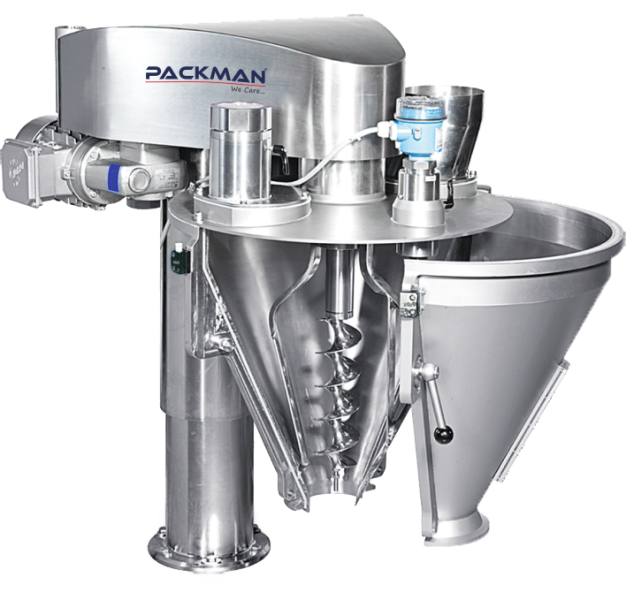
Powders (Auger-Based Systems)
These products need controlled dosing, dust management, and stable sealing, especially during long production runs.
Snacks & Irregular Products (Multihead Systems)
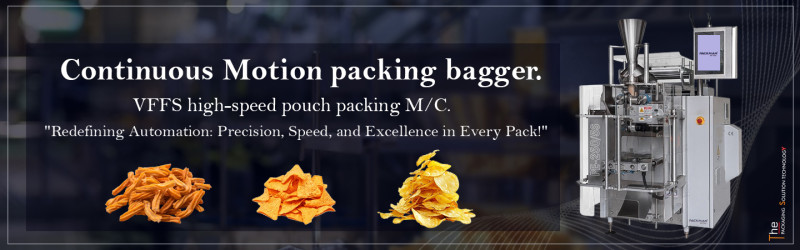
Multihead weighers are used here because volume filling does not work for irregular shapes. Accuracy, speed, and minimal breakage are the priority.
Granules & Free-Flowing Products
Depending on speed and accuracy requirements, these run on Multihead or volumetric systems, integrated with VFFS machines.
How a Pouch Packing Line Actually Works (Ground Reality)
In a Indian setup:
The key is synchronization.
If feeding, weighing, sealing, and discharge are not matched properly, the line will never perform — no matter how good individual machines are.
Pouch Formats Commonly Used in India
Indian markets demand flexibility. Most lines need to support:
Machines that can’t handle format changes easily become bottlenecks very quickly.
What Indian Manufacturers Actually Look For
In real buying decisions, customers ask:
At Packman Engineering, machines are built keeping these practical questions in mind — not just catalog specifications.
Turnkey Pouch Packing Lines
For manufacturers scaling production, Packman supplies complete lines including:
This avoids compatibility issues and improves overall line stability.
Why Packman Engineering Fits Indian Conditions
Serving Manufacturing Clusters across India
Ahmedabad | Surat | Rajkot | Vadodara | Mumbai | Pune | Indore | Delhi NCR | Jaipur | Hyderabad | Bangalore | Chennai | Coimbatore | Kochi | Kolkata | Guwahati
A pouch packing machine is not just about speed or automation.
In India, it’s about stability, flexibility, and repeatable performance day after day.
Packman Engineering focuses on building machines that work in real factories, with real products, under real conditions.
sales@packmanengineering.com
www.packmanengineering.com
Complete Packaging Solutions for Dehydrated Food ProductsPICK FILL SEAL MACHINE- PACKMAN ENGINEERING The demand for dehydrated food products is increasing rapidly across India and international markets due to their long shelf life, easy storage, and convenience. Products such as dehydrated onion fl ... Continue Reading
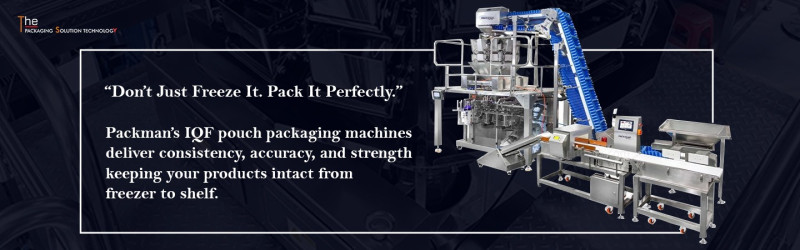
Revolutionizing Frozen Food Packaging with Smart Automation The frozen food industry across Thailand, Vietnam, Malaysia, Indonesia, Singapore, Philippines, Cambodia, Laos, Myanmar, South Korea, Japan, Australia, and the Middle East is experiencing rapid growth. Consumer demand for hygienically pack ... Continue Reading
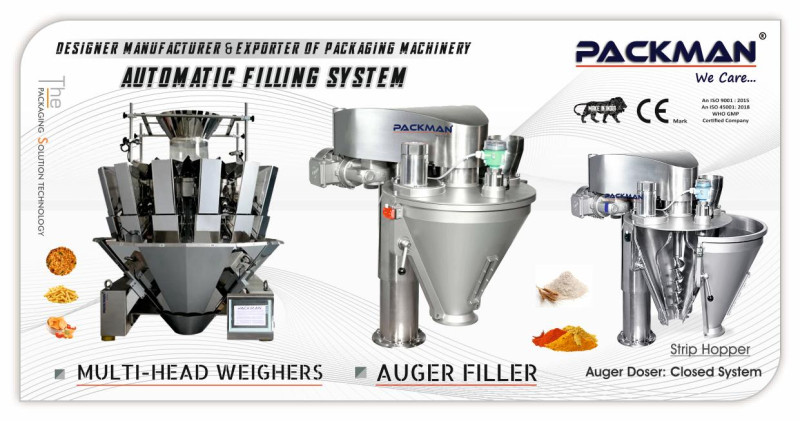
Introduction In today's competitive manufacturing environment, achieving accurate filling and efficient packaging of powders and fine granular materials is essential for maintaining product quality, reducing waste, and maximizing productivity. However, many manufacturers continue to face challenges ... Continue Reading
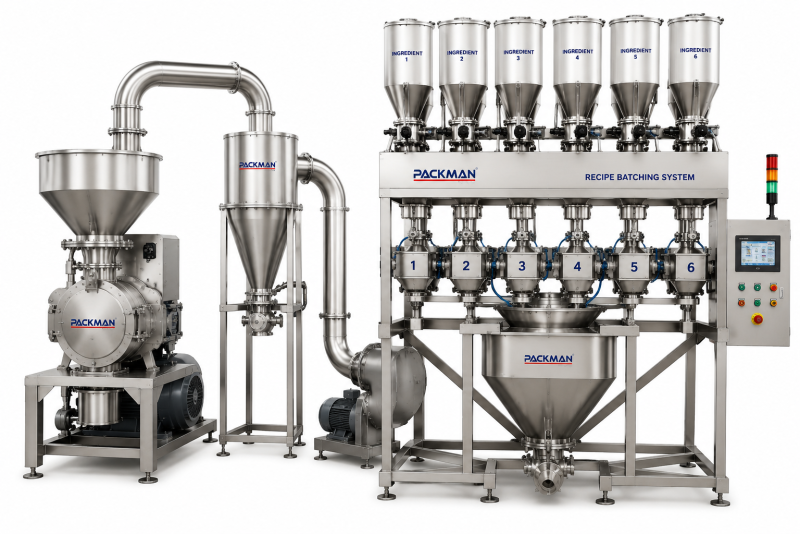
Complete Turnkey Solutions for the Modern Spice Industry In today’s highly competitive spice industry, producing high-quality spices alone is not enough. Manufacturers must also ensure consistent taste, precise formulations, hygienic processing, high production efficiency, uniform particle si ... Continue Reading