
An ISO 9001:2015/ISO 45001:2018/14001:2015 & CE & WHO GMP Certified Company

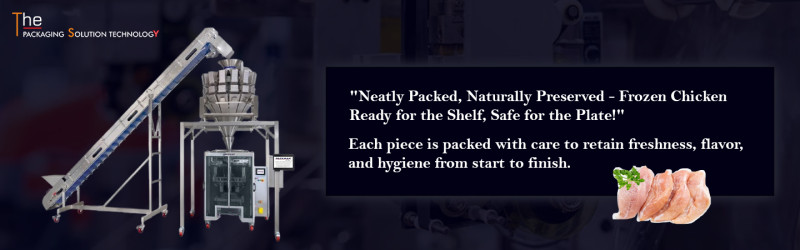
The frozen meat and poultry industry in Canada is undergoing a major transformation. As demand for frozen chicken, beef, and ready-to-cook meat products continues to grow, producers are being pushed to rethink how they process, pack, and deliver quality products across a vast cold chain network — from Toronto to Vancouver.
Today’s challenge isn’t just about keeping meat frozen — it’s about maintaining food safety, product integrity, and packaging reliability at every step.
That’s where Packman Engineering brings a competitive edge.
A Rapidly Growing Market — and a Call for Better Automation
The Canadian frozen meat market is projected to cross USD 5.8 billion by 2028, growing steadily due to export expansion and domestic demand for convenient protein solutions.
Consumers want fresher-looking, longer-lasting products — and processors are under constant pressure to meet CFIA (Canadian Food Inspection Agency) packaging standards.
Traditional manual packing struggles in freezing zones (–20°C) where condensation and frost can damage equipment.
That’s why Canadian meat processors are switching to automated pouch packing systems — built for cold environments and continuous 24/7 production.
In modern cold-chain processing, frozen meat and poultry producers in Canada face two constant challenges — performance under sub-zero temperatures and hygienic packaging compliance.
The Industry Challenge :
Canadian frozen meat facilities — especially in Alberta, Manitoba, and Ontario — run production rooms as cold as –18°C.
Conventional machines often face:
When a line stops, every minute means lost product temperature control and wasted manpower.
Engineered for Extreme Cold Conditions
Packman Engineering’s Frozen Meat & Poultry Pouch Packing Machines are specifically designed for IQF (Individually Quick Frozen) products and cold storage zones.
These machines are proven to work efficiently at –20°C without any condensation-related downtime.
Key engineering features include:
This means meat and poultry processors can maintain uninterrupted operations — even in harsh, frozen conditions.
Performance You Can Measure
Packman pouch packing machines deliver real productivity for the frozen meat sector.
Each pack is leak-proof, temperature-resistant, and export-ready, designed to handle shipping, storage, and retail display without damage or freezer burn.
???? Seamless Integration with IQF & Cold Chain Systems
Packman systems can easily integrate with IQF conveyors, multihead weighers, and metal detectors — creating a fully automated packaging line.
Perfect for:
With nitrogen flushing and vacuum sealing, Packman machines extend shelf life by 20–25%, keeping meat color and texture intact.
Certifications & Quality Validation
To ensure every system meets industry standards, Packman Engineering provides:
All machines comply with ATEX, CFIA and CSA requirements — making them fully ready for Canadian export and domestic production standards.
Why Canadian Processors Choose Packman Engineering
Smarter Packaging. Safer Food. Stronger Business.
Whether you’re packing frozen poultry, red meat, seafood, or mixed protein packs, Packman Engineering helps you automate, comply, and scale.
From design to dispatch — every machine is built for performance under pressure.
Partner with Packman Engineering – Canada’s Frozen Packaging Experts
Boost your frozen meat and poultry packaging efficiency with machines built to perform even in the toughest frozen zones.
www.packmanengineering.com
sales@packmanengineering.com
Serving clients across: Toronto | Vancouver | Calgary | Montreal | Edmonton | Winnipeg | Ottawa
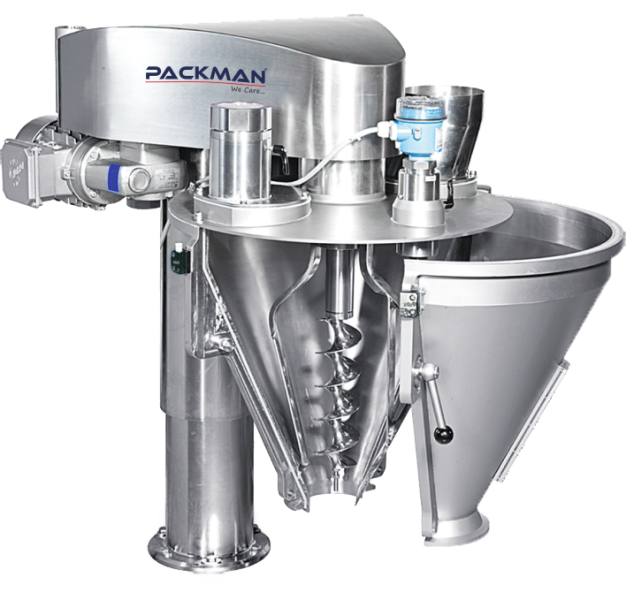
Complete Packaging Solutions for Dehydrated Food ProductsPICK FILL SEAL MACHINE- PACKMAN ENGINEERING The demand for dehydrated food products is increasing rapidly across India and international markets due to their long shelf life, easy storage, and convenience. Products such as dehydrated onion fl ... Continue Reading
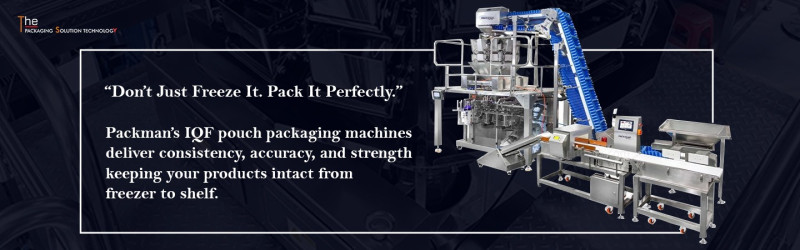
Revolutionizing Frozen Food Packaging with Smart Automation The frozen food industry across Thailand, Vietnam, Malaysia, Indonesia, Singapore, Philippines, Cambodia, Laos, Myanmar, South Korea, Japan, Australia, and the Middle East is experiencing rapid growth. Consumer demand for hygienically pack ... Continue Reading
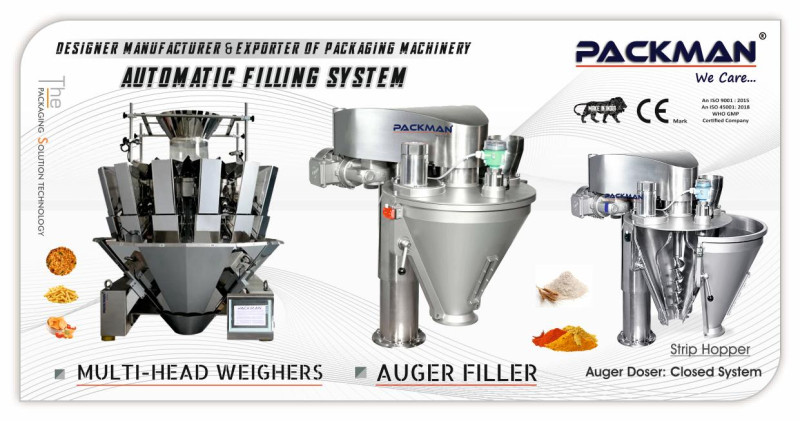
Introduction In today's competitive manufacturing environment, achieving accurate filling and efficient packaging of powders and fine granular materials is essential for maintaining product quality, reducing waste, and maximizing productivity. However, many manufacturers continue to face challenges ... Continue Reading
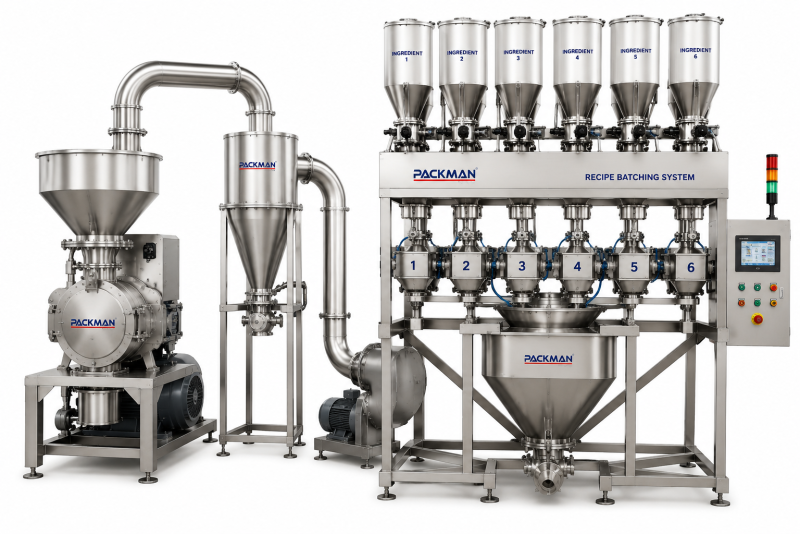
Complete Turnkey Solutions for the Modern Spice Industry In today’s highly competitive spice industry, producing high-quality spices alone is not enough. Manufacturers must also ensure consistent taste, precise formulations, hygienic processing, high production efficiency, uniform particle si ... Continue Reading