
An ISO 9001:2015/ISO 45001:2018/14001:2015 & CE & WHO GMP Certified Company

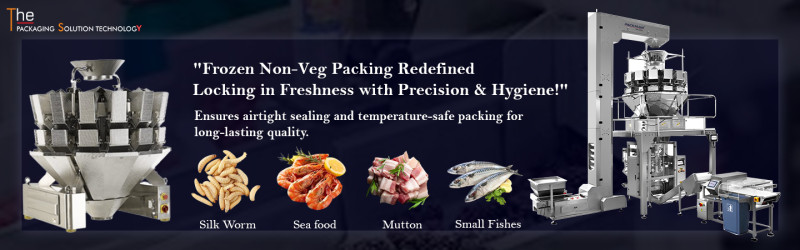
Canada is one of the world’s largest producers and exporters of seafood — from British Columbia’s salmon and shrimp to Atlantic cod and lobster from Nova Scotia and New foundland.
With the growing popularity of frozen and IQF (Individually Quick Frozen) seafood, processors need automated, hygienic, and high-output packaging machines that can perform flawlessly in cold and wet conditions.
At Packman Engineering, we manufacture Frozen IQF Seafood Pouch Packing Machines that deliver speed, precision, and reliability — perfectly suited for Canadian seafood processors and exporters.
Canada’s Frozen Seafood Market Growth
The demand for frozen seafood in Canada is rising steadily:
With rising exports and retail demand, seafood processors across Vancouver, Halifax, St. John’s, and Prince Rupert are upgrading to automated pouch packing lines to boost productivity and maintain strict CFIA hygiene standards.
Packman Engineering – Engineered for Cold and Demanding Conditions
Our pouch packing machines are constructed entirely from SS 304/SS 316/SS 316L stainless steel for corrosion resistance and easy wash-down.
Equipped with an FLP (Flameproof) control panel and sealed electrical enclosures, they operate reliably even in cold rooms and IQF zones down to –20 °C — without damage from frost or condensation.
Every system from Packman Engineering is supplied with complete qualification and testing documentation:
This ensures full compliance with CFIA and CSA requirements for seafood processing plants.
Our IQF seafood pouch packing machines deliver 50 – 60 pouches per minute, depending on product and pouch size.
That equals:
Compared to semi-automatic machines (15–20 pouches/min), Packman systems can triple throughput, letting processors handle seasonal peaks easily.
Integrated Multihead weighers maintain ±1 % fill accuracy — reducing giveaway and saving CAD 50,000+ per year for medium-scale processors.
Specially designed sealing jaws deliver strong, airtight seals even in humid or freezing conditions, preventing leaks and contamination — critical for export-grade seafood.
Optional nitrogen flushing preserves freshness and color, extending product shelf life for longer storage and transport.
Packman machines integrate seamlessly with IQF tunnels, conveyors, and check weighers, enabling fully automated seafood packaging lines.
Quantified Business Benefits
|
Parameter |
Traditional Setup |
Packman Engineering |
Benefit |
|
Output |
10–15 pouches/min |
50–55 pouches/min |
3–4× higher productivity |
|
Accuracy |
±3 % |
±1 % |
Less product loss |
|
Labor |
3–4 operators |
1 operator |
60–70 % less labor |
|
Downtime |
10 days/year |
< 3 days/year |
Save ≈ CAD 40–50k/year |
|
ROI |
2–3 years |
12–18 months |
Faster payback |
Why Canadian Seafood Processors Choose Packman Engineering
Customized solutions for fish, shrimp, squid, prawns, and mixed seafood.
Cold-room compatible design with –20 °C operation and FLP panel.
CFIA/CSA/ATEX compliant with full documentation.
Reliable after-sales support and remote service for Canada.
Proven global experience – installations in 35+ countries.
Packman Engineering Advantage
Conclusion
As Canada’s seafood market continues to grow, processors need equipment that combines speed, hygiene, and durability.
Packman Engineering’s Frozen IQF Seafood Pouch Packing Machines are built for exactly that — delivering up to 60 pouches/min, airtight seals, and continuous performance at –20 °C.
For seafood producers in Vancouver, Halifax, St. John’s, Edmonton, and Quebec City, Packman Engineering is the trusted partner for automated pouch packaging that ensures freshness, compliance, and profitability.
Partner with Packman Engineering – Your IQF Seafood Packaging Expert in Canada
www.packmanengineering.com
✉️ sales@packmanengineering.com
Serving clients across Vancouver | Halifax | St. John’s | Prince Rupert | Toronto | Montreal | Edmonton | Quebec City
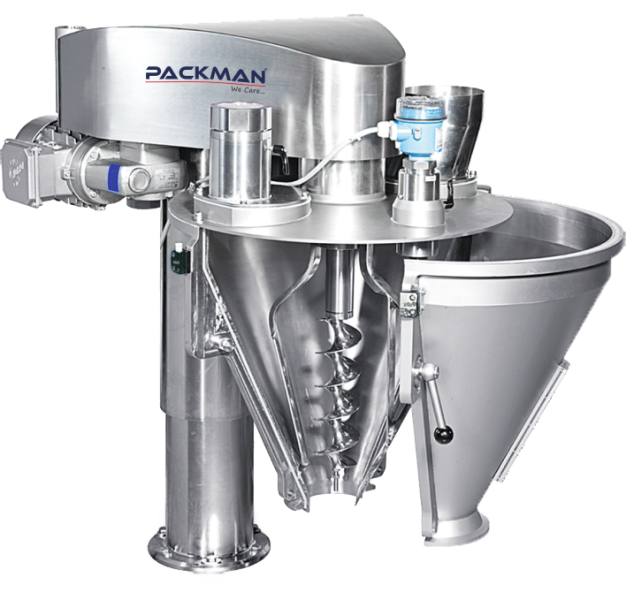
Complete Packaging Solutions for Dehydrated Food ProductsPICK FILL SEAL MACHINE- PACKMAN ENGINEERING The demand for dehydrated food products is increasing rapidly across India and international markets due to their long shelf life, easy storage, and convenience. Products such as dehydrated onion fl ... Continue Reading
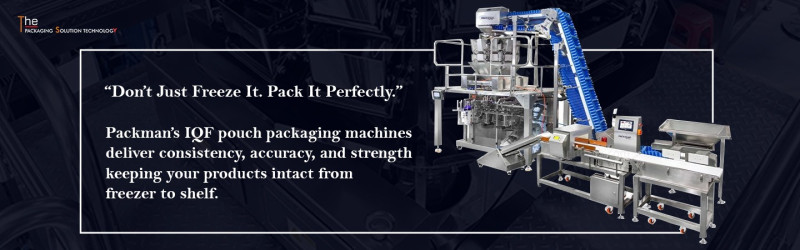
Revolutionizing Frozen Food Packaging with Smart Automation The frozen food industry across Thailand, Vietnam, Malaysia, Indonesia, Singapore, Philippines, Cambodia, Laos, Myanmar, South Korea, Japan, Australia, and the Middle East is experiencing rapid growth. Consumer demand for hygienically pack ... Continue Reading
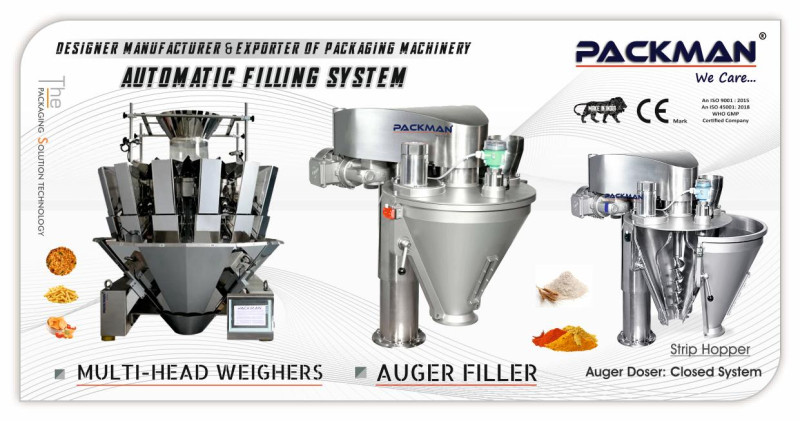
Introduction In today's competitive manufacturing environment, achieving accurate filling and efficient packaging of powders and fine granular materials is essential for maintaining product quality, reducing waste, and maximizing productivity. However, many manufacturers continue to face challenges ... Continue Reading
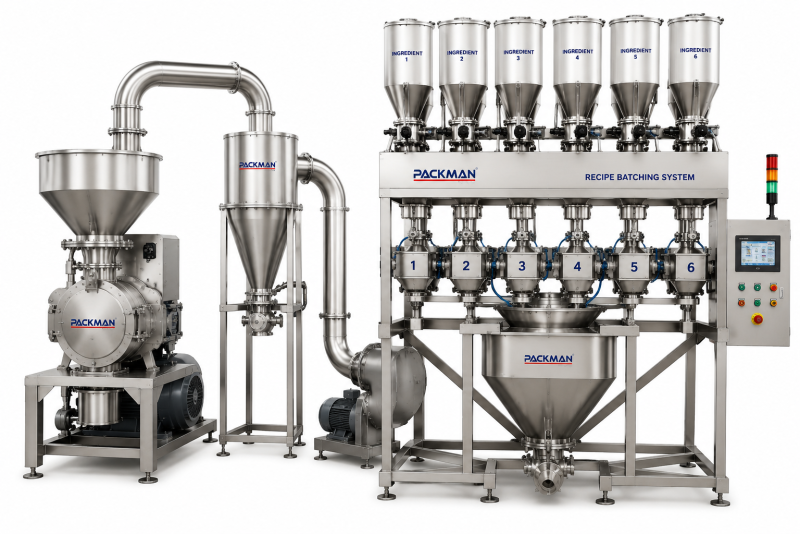
Complete Turnkey Solutions for the Modern Spice Industry In today’s highly competitive spice industry, producing high-quality spices alone is not enough. Manufacturers must also ensure consistent taste, precise formulations, hygienic processing, high production efficiency, uniform particle si ... Continue Reading